
Home Insights Product development
What to include in a custom blend brief
By Seenergy Foods ·
A clear brief gets you to the right sample faster. Here is what our product team needs to know before the first batch, and why each detail matters.

Key takeaways
- Start with how the blend is used, not what is in it.
- Give a target ratio and tell us which parts can flex.
- Share your labeling, allergen and volume needs up front. They shape what we can sample.
Start with the application
Tell us where the blend ends up: a frozen entrée, a grab-and-go salad, a soup base, a burrito filling or a retail bag. The application decides almost everything else: how firm each component needs to be, how it holds after reheating, and how it behaves in your sauce or dressing.
If you already make the product with another ingredient, say so. A photo of the finished dish or a current spec sheet saves a round of samples.
Define the components and ratio
List each bean, lentil, grain, rice or pasta you want in the blend and the target ratio by weight. We can build any ratio and hold it run to run, so the useful detail is which components are fixed and which can move. If cost matters, tell us which component you would trade first.
- Components, in order of importance
- Target ratio by weight, with an acceptable range
- Any piece size or cut requirements, such as diced vegetables
The fastest briefs tell us what can flex, not just what the blend should be.
Set texture and cook targets
Describe the bite you want after your own process, not straight from the bag. A blend that goes into a retort pouch or a long hot hold needs a different cook than one served cold in a salad. Words like “firm but not chalky” or “soft enough to mash” are fine. A reference product is better.
Flavor and seasoning
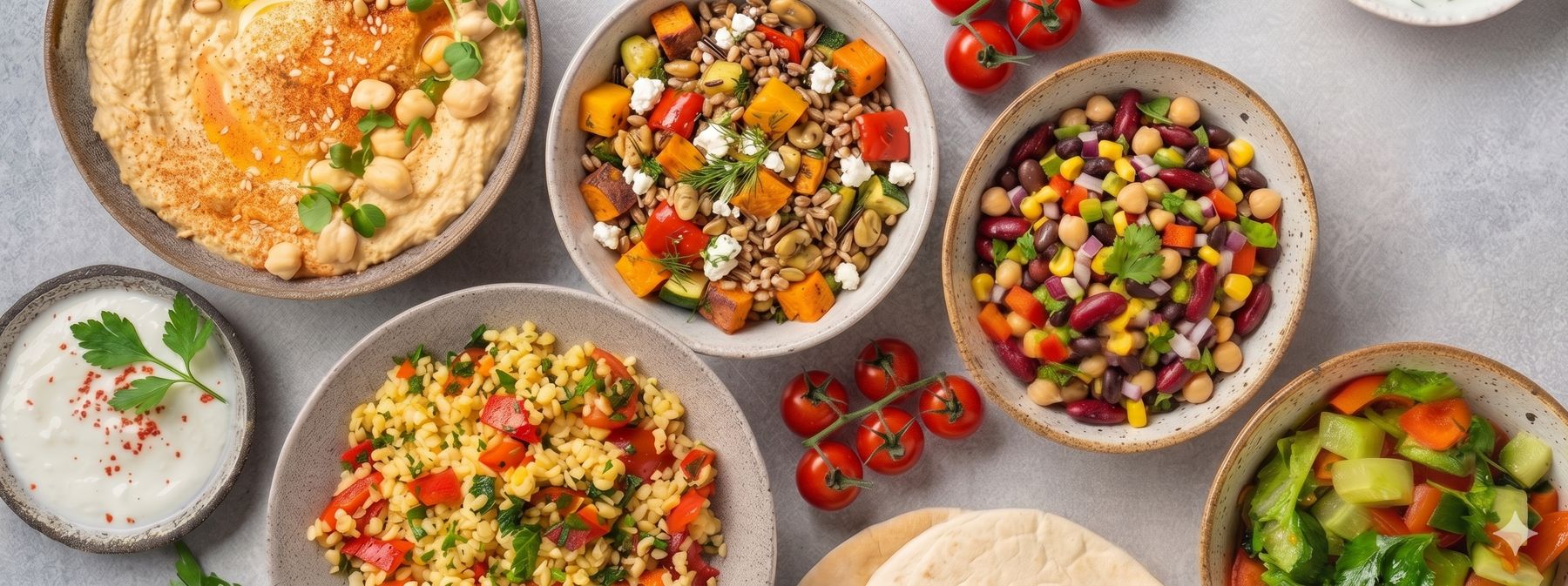
Tell us if the blend should be plain, lightly salted or fully seasoned. If you add your own sauce downstream, a plain base usually gives you more control. If you want a finished flavor, share the profile you are after and any spices you need to avoid.
Labeling and allergen requirements
Share your own requirements early: allergen controls, organic or no-GMO-ingredient needs, and any claims you plan to make on pack. These narrow the raw materials we can use, so they belong in the first conversation, not after the sample is approved. Our QA team can tell you which documents come with each component.
Volume, pack format and delivery
Give us a realistic annual volume, how it splits by month, and how you want it packed. We pack blends in retail bags (8 oz, 10 oz and 2 lb), 20–24 lb foodservice cases (1, 2 or 4 lb bags), 30–45 lb cases and 700–1,500 lb totes. Your receiving location and how often you want deliveries help us plan the program from the start.
What happens next
With a complete brief, our product team prepares a first sample for your application. You test it on your line or in your kitchen, we adjust the ratio, cook or seasoning from your feedback, and repeat until it is right. When you are ready, we plan a plant trial and confirm the spec.
Blend brief checklist
- The application and how the blend is prepared
- Components and target ratio, with what can flex
- Texture target after your process
- Plain, salted or seasoned
- Allergen, organic and labeling requirements
- Annual volume and monthly split
- Pack format and delivery location
Keep reading
Related articles

Ingredient selection
Choosing IQF ingredients for your production workflow
Supply planning
Planning IQF supply for a growing food program
Ingredient selection
Dry, canned or IQF: comparing your bean options
Custom blends
Have a blend in mind?
Send us your brief. A product specialist will follow up to plan samples for your application.