
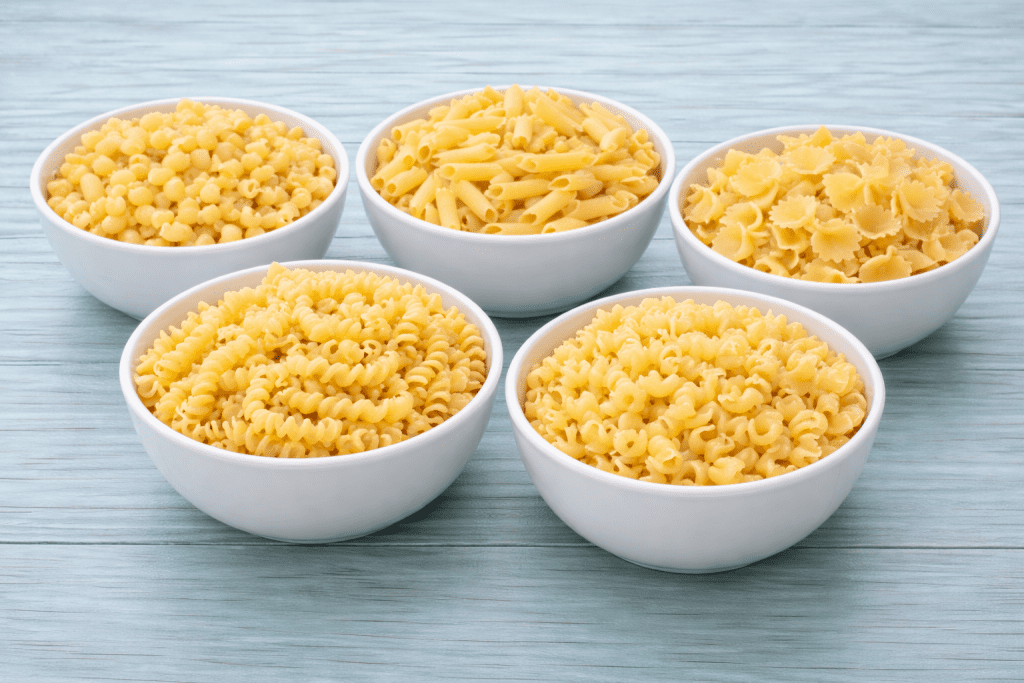
Frozen food isn’t a niche anymore. It’s a $325.09 billion global market.
Frozen food quality now defines brand credibility, not price alone. So processors face a simple challenge. How do you freeze food fast without damaging what customers care about?
IQF flips all of that. This article walks through how the process works, why it beats regular freezing methods, and how it actually makes you more money while keeping product safer and giving you room to grow.
What is Individual Quick Freezing (IQF)?
Individual Quick Freezing, or IQF, freezes food pieces separately rather than in solid blocks. That single difference reshapes texture, handling, and yield.
IQF matters because people buying frozen food now expect it to look right, cook evenly, and taste the same every time. Processors have to nail that consistency whether they are making 100 pounds or 10,000.
Why IQF Has Become Essential in the Global Food Industry
Global distribution requires stability. Food must survive transport, storage, and preparation without losing value.
IQF is not optional anymore for premium products. Freeze fast enough and the product survives getting shipped halfway across the country without falling apart or losing quality.
Growing Demand for High-Quality Frozen Foods
Frozen food sales keep climbing because it is not garbage anymore. People check labels now and want stuff they recognize, not a list of chemicals.
They also want food that cooks up right instead of turning into a slimy mess, and vitamins that did not disappear somewhere between the farm and the freezer.
The advantages of IQF technology directly support these expectations by locking in quality at peak freshness.
IQF as a Competitive Advantage for Food Manufacturers
Manufacturers using IQF reduce waste, simplify portioning, and speed up packaging. Those gains compound across operations.
And that is exactly why the advantages of IQF extends beyond freezing into brand performance.
Understanding IQF Technology
IQF relies on precise airflow, rapid heat transfer, and controlled temperatures. Each element works together to preserve product integrity.
Understanding the process explains why the advantages of IQF remain difficult to replicate with slower freezing methods.
IQF freezes small food items individually within minutes. The rapid process prevents large ice crystals from forming. That is a core advantage of IQF because smaller crystals cause less cellular damage.
Products move along conveyors while cold air circulates at high velocity. The airflow keeps pieces suspended and separated.
So each item freezes independently. No clumps. No compression. Slow freezing allows water to migrate and rupture cell walls. Rapid freezing limits that movement.
That science explains many advantages of IQF related to texture and moisture retention. IQF systems include airflow controls, refrigeration units, conveyors, and monitoring software. Each component must stay balanced.
When tuned correctly, the advantages of IQF increase across quality and throughout.
IQF Applications Across Food Categories
- Color and texture remain intact. Nutrients stay preserved. IQF suits delicate produce.
- Seafood benefits from reduced drip loss and improved firmness. Quality remains consistent.
- Portion control and safety improve significantly. That is a clear advantage of IQF.
- IQF supports complex formulations without quality loss.
How to Choose the Right IQF Supplier or Technology Partner
Choosing the right IQF supplier or technology partner is more than a procurement decision. It shapes product quality, operational efficiency, and long-term competitiveness. The wrong partner creates limitations that are hard to reverse later.
Key Technical and Operational Factors to Consider
Pick someone who knows IQF on a factory floor, not just on paper. They need to understand airflow, temperature zones, and what breaks when you scale up. Theory does not help at 2am when your line jams.
Operational support matters just as much. Installation guidance, training, maintenance response, and troubleshooting speed all affect uptime. And uptime protects margins. That balance between technology and service determines outcomes.
Make sure they have done your type of product before. Freezing strawberries is nothing like freezing shrimp or lasagna. Each one needs different settings and timing. Go with someone who has already figured out your category or you will spend months testing instead of selling.
Importance of Customization and Scalability
You need custom settings, not one-size-fits-all equipment. Blueberries freeze different than mango chunks.
Diced chicken needs different airflow than whole shrimp. Run everything through the same settings and half your products come out wrong.
A strong IQF partner adapts belt speed, airflow patterns, and freezing zones to match your product characteristics. That precision protects quality and maximizes yield. Then again, flexibility should not stop at launch.
Get a system that can scale up when business picks up. Orders double and you need to be able to bolt on more capacity, not tear out what you have and rebuild.
Otherwise that original investment goes down the drain and you are offline for half a year while you start from zero.
Building Long-Term Partnerships for Growth
You want a supplier who sticks around after install, not one that disappears once you sign the check.
They should help you tweak settings when you switch products, fix problems that pop up months later, and help you pivot when market demands shift.
Good partners know how to keep your IQF system running right as you scale up. They show you how to run more volume without the line backing up or freezing wrong.
Less product ends up in the dumpster because it froze clumpy or came out mushy. Quality stays the same whether you are doing a thousand pounds or ten thousand.
Working with experienced experts supports sustainable expansion. Not only through better equipment, but through shared knowledge and continuous improvement. And that is where real value compounds.
Advantages of IQF Technology
Superior Taste, Texture, and Visual Appeal
One of the most visible advantages of IQF technology is how well it protects eating quality. Rapid freezing limits ice crystal growth, which helps foods keep their natural texture instead of turning soft or watery after thawing.
Color retention also improves significantly. Fruits stay bright, vegetables look fresh, and cooked products perform evenly. That visual consistency builds confidence at the point of use. And confidence drives repeat purchases.
Preservation of Natural Shape and Structure
IQF is not only about speed but also about precision. Each item freezes independently, which helps foods retain their original shape instead of becoming compressed or misshapen.
That matters for presentation and portion accuracy. Especially in foodservice and ready meals, where appearance signals quality before the first bite. Then again, shape retention also reduces handling damage downstream.
Reduced Cell Damage During Freezing
Slow freezing creates large ice crystals that rupture cell walls. IQF avoids that problem by freezing quickly enough to form smaller, uniform crystals.
Less cell damage means better texture, better moisture retention, and better performance after thawing. That is the whole point. Quality that survives the freeze-thaw cycle instead of collapsing under it.
Nutritional Benefits of IQF
Nutrition is no longer optional. It is a deciding factor for many buyers, especially in frozen categories where skepticism still exists.
Retention of Vitamins, Minerals, and Antioxidants
IQF locks in nutrients better than most other methods. You freeze stuff right after harvest when vitamins and minerals are highest. Wait too long and those levels drop before you even get to the freezer.
Fast freezing shuts down enzymes and stops oxygen from wrecking nutrients. The vitamins stay locked inside the food instead of breaking down.
Fresh food sitting on a shelf for a week loses more nutrients than an IQF product that got frozen an hour after harvest.
IQF Compared to Fresh and Slowly Frozen Foods
Fresh broccoli shipped from California to New York loses vitamins every day it sits in a truck or warehouse. IQF broccoli gets frozen within hours of cutting, so the nutrients never get a chance to degrade.
Slow freezing does the opposite. It exposes food to damaging temperatures for longer periods. Speed matters here. And IQF uses speed as a quality tool, not just a production shortcut.
Meeting Consumer Expectations for Nutritious Frozen Products
Consumers expect frozen foods to be clean, reliable, and nutritionally sound. The advantages of IQF technology align with those expectations without adding complexity.
IQF supports simple ingredient lists and consistent quality. That is why it fits well with modern nutrition-focused purchasing behavior.
Free-Flowing Products and Portion Control
How IQF Prevents Clumping and Agglomeration
IQF freezes each piece separately, which prevents surface moisture from bonding products together. So clumping does not occur during storage or transport.
This free-flowing behavior improves usability immediately. Products pour, scoop, and dispense cleanly. And that reduces frustration at every handling stage.
Advantages of IQF for Retail, Foodservice, and Industrial Use
Free-flowing products support flexibility across channels. Retail users take what they need. Foodservice operators portion accurately. Industrial users feed lines consistently.
That versatility is one of the most practical advantages of IQF. One product format. Multiple use cases. Fewer compromises.
Improved Portion Accuracy and Cost Control
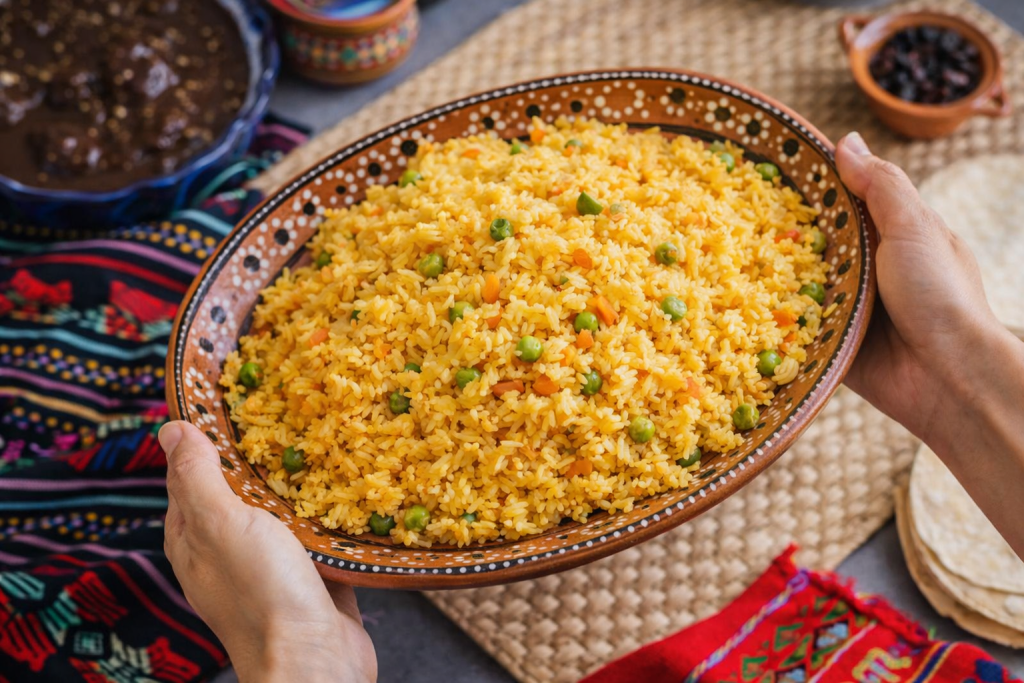
Accurate portioning reduces overuse and minimizes inventory loss. When users control portions precisely, costs stabilize.
That impact shows up fast. Less waste. More predictability. Better margins. And better margins always matter.
Yield Optimization and Waste Reduction
Yield is not an abstract metric. It directly determines profitability.
Minimizing Drip Loss and Product Deformation
IQF reduces drip loss by protecting cellular structure during freezing. Products retain moisture during thawing instead of releasing it as purge.
That helps maintain weight and shape. And stable weight means stable yield. Which simplifies planning and pricing.
Reducing Processing and Packaging Waste
Because IQF products resist breakage and deformation, fewer units get rejected during processing and packaging.
That reduction in waste saves time, materials, and labor. It is not flashy. But it is effective. And effectiveness compounds over volume.
Improving Overall Product Yield and Profitability
Higher yields protect margins without raising prices. That is why the advantages of IQF extend beyond quality into financial performance.
Less loss at every stage means more sellable product at the end. And that outcome never goes out of style.
Food Safety and Hygiene Benefits of IQF
Food safety supports everything else. Without it, quality and yield do not matter.
Faster Freezing and Microbial Risk Reduction
IQF shortens the time food spends in temperature ranges that support microbial growth. Rapid freezing closes that window quickly.
That strengthens safety controls and reduces risk. Not by chance. By design.
Improved Hygiene Through Individual Product Separation
Separated products reduce cross-contact during handling and portioning. Each unit stays distinct and easier to manage.
Handling becomes cleaner and more predictable. That consistency supports safer workflows across operations.
Supporting Compliance With Global Food Safety Standards
The advantages of IQF technology align with HACCP principles and international safety expectations. Faster freezing and better handling reduce critical control risks.
So IQF is not only a quality solution but also a compliance-friendly one. And that combination is hard to beat.
Why IQF Is More Than Just a Freezing Method
IQF is not just about freezing faster. It is about protecting quality, improving yield, and giving processors control at scale. The advantages of IQF show up in consistency, safety, and margins, not just in cold temperatures.
If you want IQF systems that actually perform in real production, partner with people who know the process beyond theory.
Find expertly sourced IQF ingredients at Seenergy Foods. Smarter freezing decisions lead to stronger product results.
FAQs
What is the main advantage of IQF?
The main advantage of IQF is better quality retention, including texture, appearance, moisture, and consistency after thawing or cooking.
How is IQF different from regular freezing?
Regular freezing is slow and creates ice blocks. IQF freezes quickly and individually, reducing cell damage and keeping products free-flowing.
Is IQF food healthier than fresh food?
IQF food often retains more nutrients because it is frozen shortly after harvest, while fresh food loses nutrients during transport and storage.
Does IQF use preservatives?
IQF does not require preservatives. It relies on rapid freezing to preserve food naturally without additives or chemical treatments.
Why does IQF food not clump together?
Each piece freezes separately before surface moisture can bond products together, preventing clumping during storage and handling.